
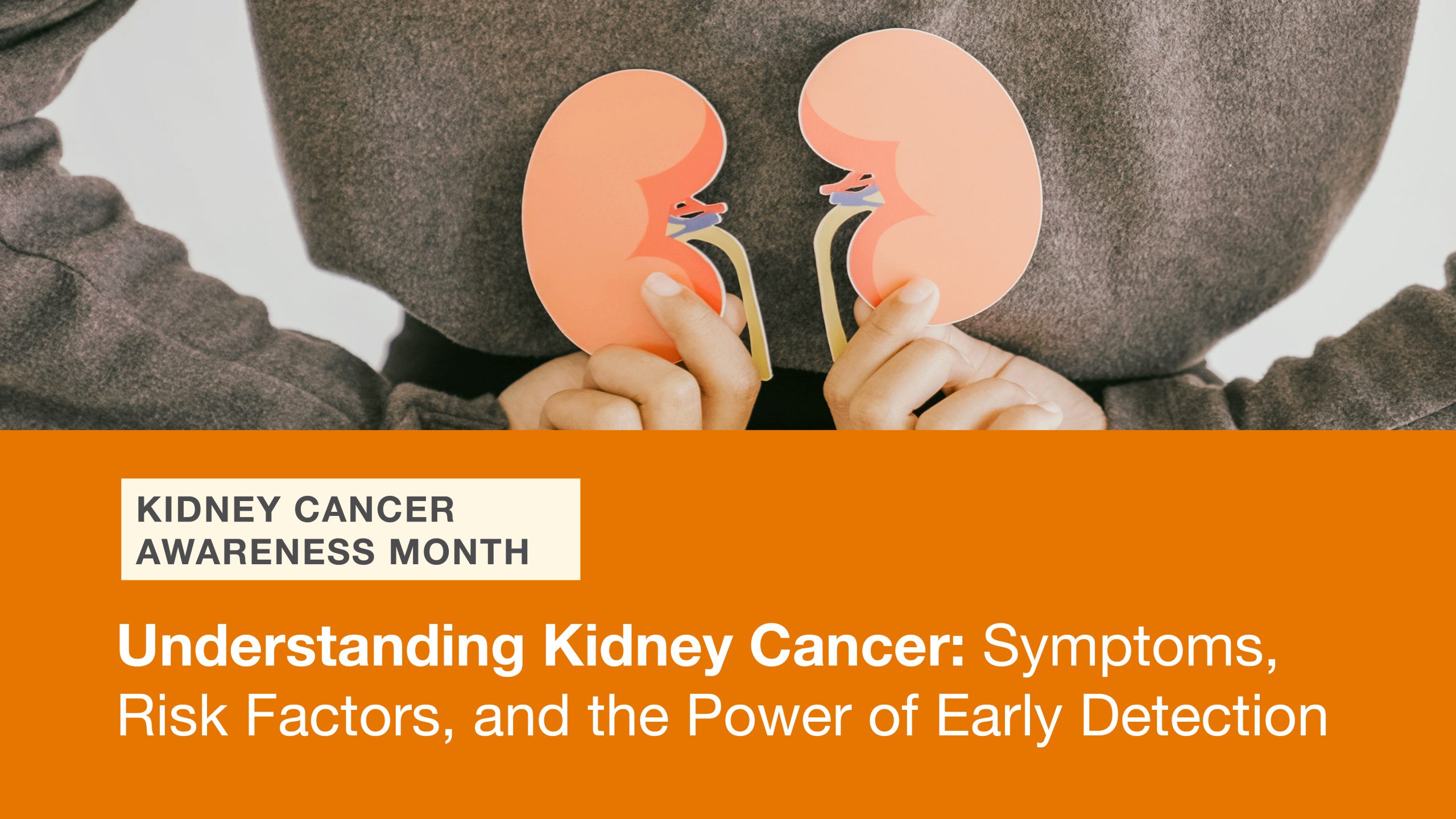
Kidney cancer is often caught by chance, but recognizing symptoms and understanding risk factors can help you take control of your health and catch it early.
What is Kidney Cancer?
Kidney cancer begins in the tissues of the kidneys, the two bean-shaped organs located on either side of the spine. The most common type is renal cell carcinoma, which accounts for about 90% of adult kidney cancers. While some tumors are slow growing, others can be aggressive and require early diagnosis for the best outcome.
Symptoms of Kidney Cancer
In the early stages, kidney cancer may not cause noticeable symptoms. As the disease progresses, you may experience:
- Blood in the urine (hematuria)
- Persistent pain in the side or back
- Unexplained weight loss
- Fatigue
- A lump or mass in the abdomen or side
- Fever not caused by an infection
- Swelling in the legs or ankles
Because many of these symptoms overlap with other health issues, it’s important to speak with your provider if you notice any changes.
What Are the Risk Factors?
Certain factors can increase your risk of developing kidney cancer, including:
- Smoking
- Obesity
- High blood pressure
- Family history of kidney cancer
- Chronic kidney disease or long-term dialysis
- Exposure to harmful chemicals, such as a trichloroethylene or cadmium in the workplace
Men and people over 60 are also at higher risk.
How is Kidney Cancer Diagnosed?
Many cases of kidney cancer are discovered during imaging for unrelated issues. Diagnosis may include:
- Blood and urine tests to assess kidney function
- Imaging studies such as ultrasound, CT scan, or MRI
- Biopsy, if needed to confirm diagnosis
Why Early Detection Matters
Finding kidney cancer early, before it spreads beyond the kidney, significantly improves treatment success. According to the American Cancer Society, the 5-year relative survival rate for localized kidney cancer is 93%.
Routine checkups and talking with your doctor about symptoms or family history can lead to early detection and better outcomes.
Treatment Options
Depending on the stage and type, treatment may include:
- Surgery to remove part of all of the kidney
- Ablation or embolization therapies
- Immunotherapy
- Targeted therapy
- Active surveillance for small, slow-growing tumors
Your care team will guide you through the best approach based on your individual needs.
Latest Posts
- Living with Multiple Myeloma: What Patients and Families Should Know
- Understanding Kidney Cancer: Symptoms, Risk Factors, and the Power of Early Detection
- Colon Cancer Screening Saves Lives: What You Need to Know at 45 and Beyond
- Why Early Detection Matters: A Guide to Cancer Screenings
- Reflecting on the Year in Cancer Care: Progress, Hope, and What’s Ahead

